

Clearing Holidays in Indian Share Market are days when trade settlement and clearing activities do not take place, even though trading may or may not be open. These holidays are important for investors and traders to understand settlement timelines.
This page explains what clearing holidays are, when they occur, and how they affect settlements in NSE and BSE.
What Are Clearing Holidays?
Clearing holidays are days when:
- Trades are not settled
- Funds and securities are not credited or debited
- Clearing corporations remain closed
Even if trading is open on a particular day, settlement may get delayed due to a clearing holiday.
Difference Between Trading Holidays and Clearing Holidays
| Trading Holidays | Clearing Holidays |
|---|---|
| No trading takes place | Trading may take place |
| Market fully closed | Market may remain open |
| No orders accepted | Orders can be placed |
| No settlement | No settlement |
Understanding this difference helps avoid confusion about T+1 settlement delays.
Common Clearing Holidays in India
Clearing holidays usually include:
- Republic Day
- Independence Day
- Gandhi Jayanti
- Diwali
- Christmas
- National or regional public holidays declared by exchanges
Clearing holidays are generally announced by clearing corporations such as NSCCL (NSE) and ICCL (BSE).
Do NSE and BSE Follow the Same Clearing Holidays?
In most cases, NSE and BSE follow the same clearing holiday schedule.
However, investors should always check official exchange notifications for confirmation.
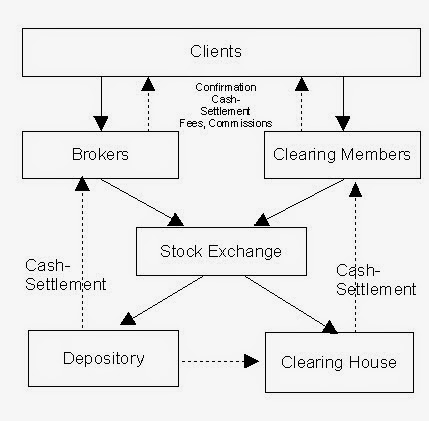
How Clearing Holidays Affect Settlement
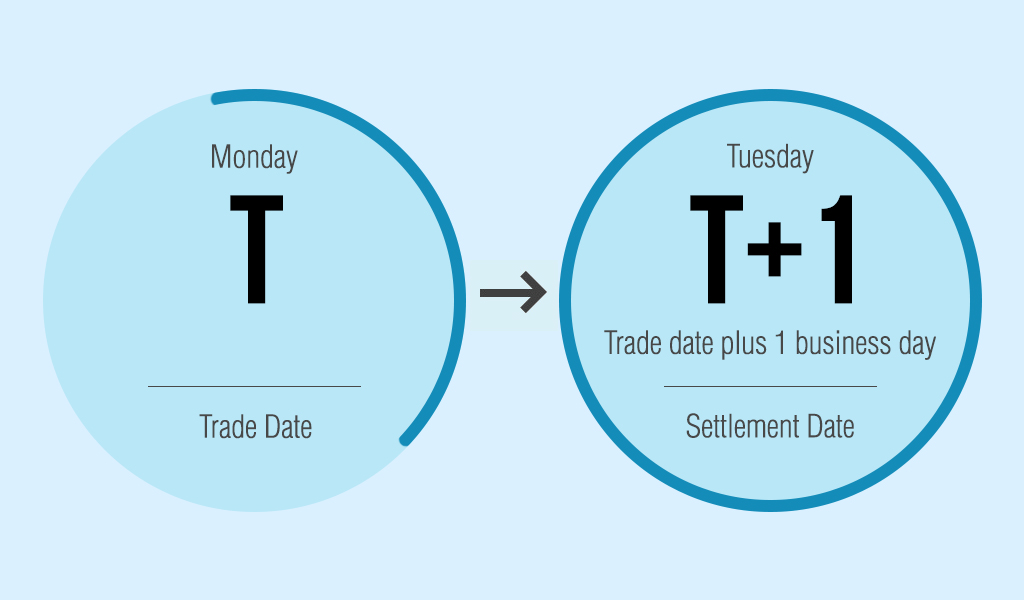
In India, equity trades follow a T+1 settlement cycle.
If a clearing holiday falls between the trade date and settlement date:
- Settlement is postponed to the next working day
- Funds and shares are credited later than usual
Example:
- Trade Date: Monday
- Clearing Holiday: Tuesday
- Settlement: Wednesday (instead of Tuesday)
Are Banks Open on Clearing Holidays?
Not necessarily.
- Some clearing holidays may be bank working days
- Some may coincide with bank holidays
Clearing and banking holidays do not always match.
Why Clearing Holidays Matter for Investors
Knowing clearing holidays helps in:
- Planning fund transfers
- Managing settlement expectations
- Avoiding confusion in delivery-based trades
- Better cash flow planning
This is especially important for short-term traders and investors.
Where to Check Official Clearing Holidays
For the most accurate and updated information, always refer to:
- NSE official circulars
- BSE official notifications
Clearing holiday schedules may change based on regulatory decisions.
Helpful Market References
Disclaimer: This information is provided for general reference only. Clearing holidays and settlement schedules are subject to change. Always verify with official NSE or BSE sources before trading or planning settlements.